Both Moratuwa and Lakshapathiya are mentioned in the 15th century poem "Kokila Sandesha", written by a Buddhist Thero of Devundara to celebrate Prince Sapumal during the reign of king Parakramabahu VI. Moratuwa is also mentioned as a scenic view in "Parewi Sandeshaya" & "Gira Sandeshaya" during Kotte period. Lunawa, Uyana and Rawathawatte are mentioned in 16th century chronicles and church records of martyrs, the latter commemorates Revatha Thera, the chief incumbent of a temple built by king Vijayabahu I. Lakshapathiya, meaning commanding a hundred-thousand, was once the land awarded to Lak Vijaya Singu, a Commander of King Nissankamalla. Subsequent to the Wijayaba Kollaya and the division of the Kotte Kingdom, the hamlet of Korala-Wella was created as part of Raigam Korale, which again became part of Moratuwa in 1735, however losing Ratmalana and parts of Borupana to Dehiwala. The name Moratuwa is derived from "Mura Atuwa" meaning sentry turret in Sinhalese
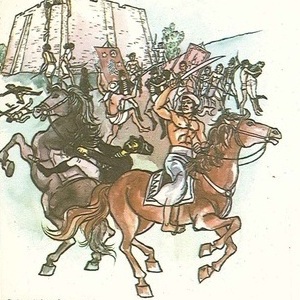
which once existed at Kaldamulla. A famous revolutionary who has fought as a leader against British rule in 1848 Revolt, “Weera Purana Appu" was born in Moratuwa. His birth name was Weerahennedige Weerabala Jayasuriya Patabendi Francisco Fernando. His unbelievable courage and bravery was appreciated by British officials too.
“When he faces his death penalty he faces the bullet in great bravery."
-Sir Emerson Tenant-
“His last words were ‘If King had four men like me; it is easy to catch up Kandy."
-Captain Henderson-